
Making Your Walk Comfortable: Gear and Preparation
Practical advice on choosing the right shoes, clothing layers, and what to bring along to ensure your coastal walk is genuinely enjoyable.

Why Preparation Makes All the Difference
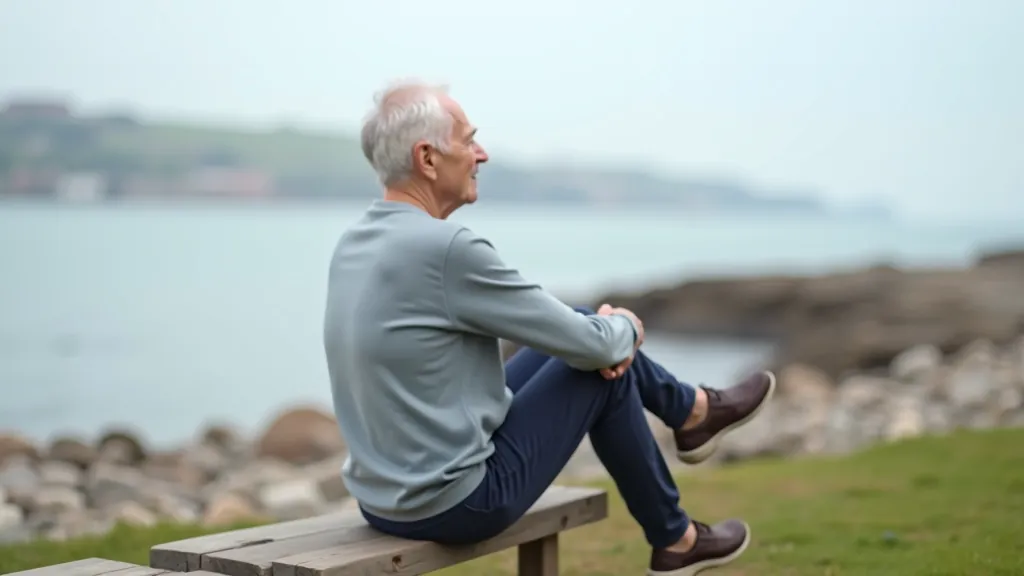
You're about to spend a few hours by the coast. The wind picks up, the temperature drops, and suddenly that walk you were looking forward to feels more like endurance training than leisure. Here's the thing though — it doesn't have to be that way.
We're not talking about expensive specialist equipment or complicated layering systems. It's really about understanding what your body needs and bringing the right basics. Comfortable walking starts before you leave your front door. When you've got proper shoes, appropriate clothing, and the essentials packed, everything else just flows.
Most people who struggle with longer walks aren't lazy or unfit — they're just unprepared. Sore feet, chafed skin, and getting cold halfway through aren't character tests. They're signals that something in your setup needs adjusting. Let's fix that.
The Right Shoes Matter More Than You Think
Let's start with the foundation. Your feet carry you for the entire walk. If they're uncomfortable, everything else becomes secondary.
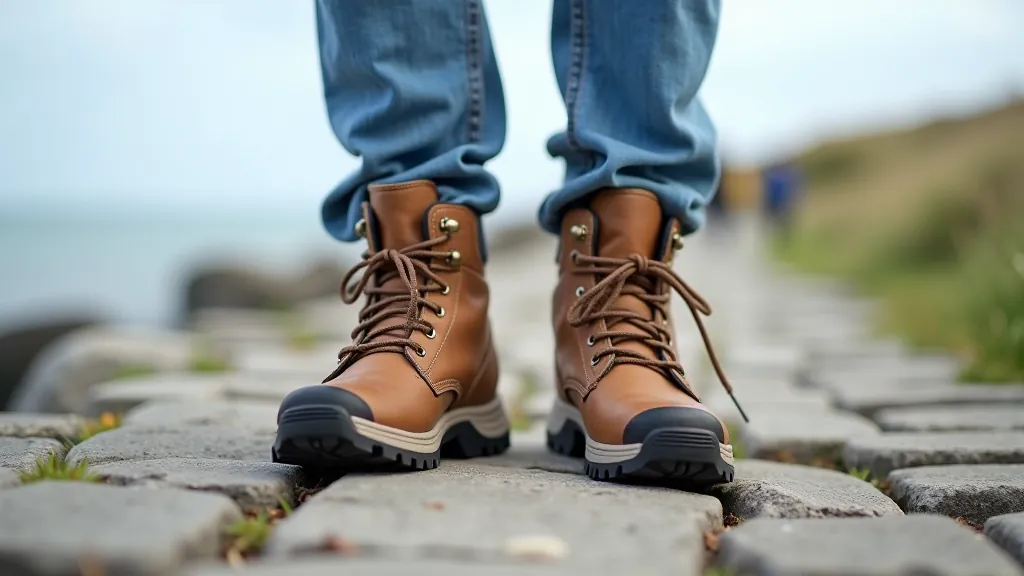
You don't need hiking boots for a coastal path walk. What you do need is shoes that've been properly broken in — and that's the critical part. New shoes, no matter how expensive, will cause blisters on mile two. Wear your walking shoes around the house for a week or two before your first longer walk. That simple step prevents most foot problems.
What to Look For:
- Proper arch support matching your foot type
- Cushioning in the heel for impact absorption
- Breathable material to manage moisture
- Half a thumb's width of space at the toe box
- Good grip on wet surfaces (coastal paths get slippery)
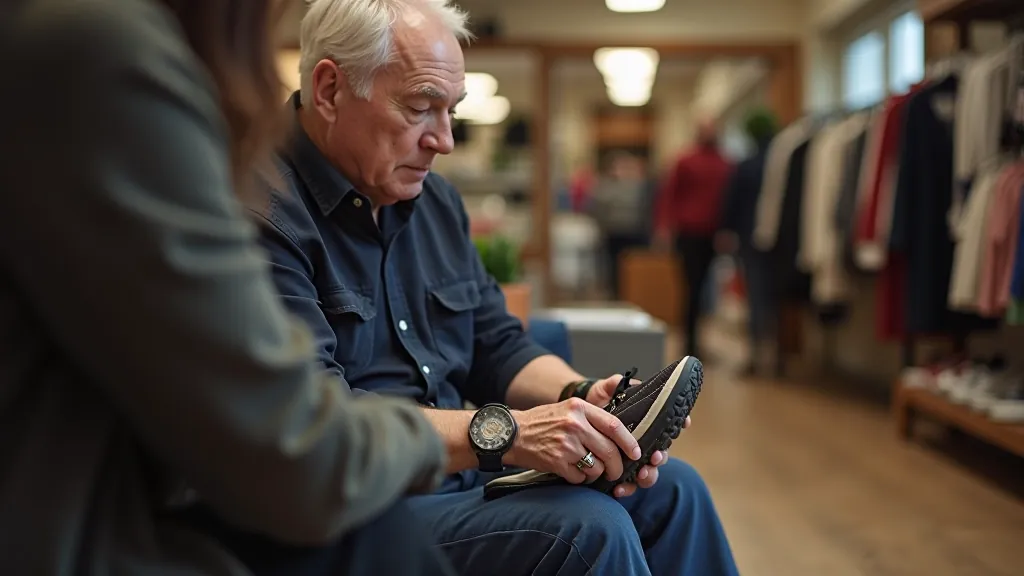
Don't cheap out here. A decent pair of walking shoes costs €60-100 and lasts for 300-400 miles of walking. That's genuinely good value. Visit a specialty outdoor shop where staff can watch you walk and recommend shoes based on your gait, not just what looks nice.
Layering: Your Secret Weapon Against Irish Weather
Irish coastal weather changes fast. You might start your walk on a calm morning and hit actual wind by hour two. That's where layering becomes your best friend. You're not dressing for the weather you see — you're dressing for the weather you might encounter.
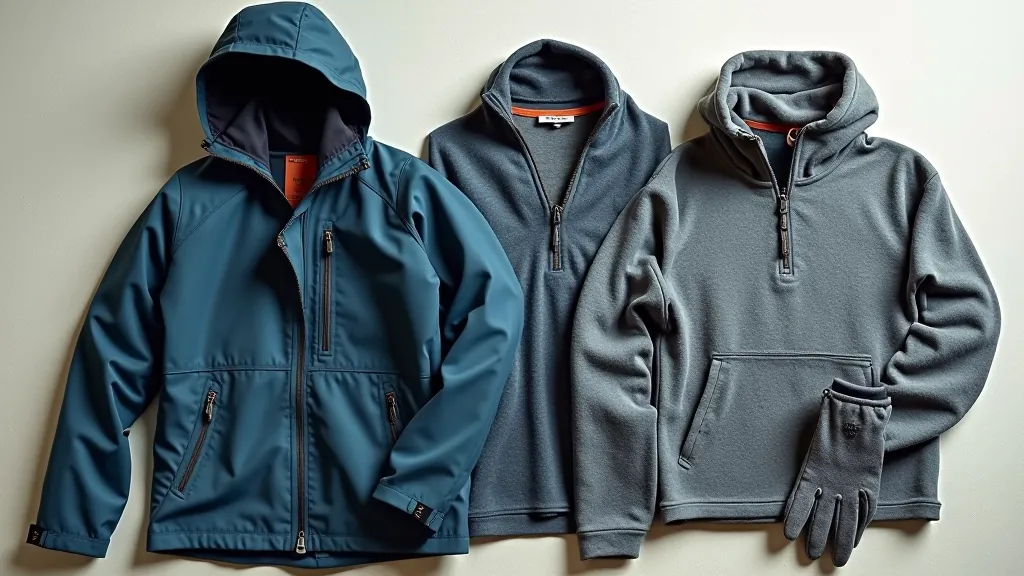
The concept is simple: three layers working together. Base layer pulls moisture away from skin. Middle layer provides insulation. Outer layer blocks wind and rain. When you get warm, you remove a layer. When you cool down, you add one back. This flexibility means you're comfortable the entire walk.
Base Layer
Merino wool or synthetic blend. Cotton holds moisture — avoid it. This layer touches your skin and manages sweat.
Middle Layer
Fleece or lightweight wool. This traps warm air. Pack it in your bag if you don't wear it from the start.
Outer Layer
Windproof and water-resistant jacket. It doesn't need to be heavy — just effective. Packable versions fold small.
Don't wear thick jumpers under your jacket. That just traps heat and makes you sweat more. Three thin layers beat one thick one every time.
The Essentials Checklist: What Actually Goes in Your Bag
Beyond clothing and shoes, there's a short list of items that transform a potentially uncomfortable walk into a genuinely pleasant one. These aren't luxuries — they're practical necessities that weigh almost nothing.
Water (1-1.5 litres)
You'll dehydrate faster than you realize, especially in wind. Sip regularly rather than gulping at the end. A reusable bottle is lighter than carrying multiple disposables.
Snacks (energy + protein)
Trail mix, a banana, energy bars — whatever doesn't spoil easily. Eating something every 60-90 minutes keeps energy levels stable and prevents that "hitting a wall" feeling.
First Aid Basics
Blister patches, plasters, pain relief tablets, antihistamine. Most of these you'll never use, but that one time you get a blister? You'll be grateful.
Sun Protection
Sunscreen and sunglasses, even on overcast days. UV reflects off water and stone. Bring a hat that stays put in wind.
Mobile Phone
Charged. In a waterproof pouch. You probably won't need it, but it's there if you do. A portable battery pack isn't essential for a few hours, but it's peace of mind.
Navigation
A simple map or written directions. Don't rely solely on your phone's battery. Download offline maps as backup.


Disclaimer
This guide provides general information about walking preparation and gear selection. Everyone's physical capabilities, health conditions, and comfort needs are different. Before starting any new walking routine, particularly if you have existing health concerns, consult with your doctor or healthcare provider. The information here is educational and not a substitute for professional medical or safety advice. Always check local weather conditions and coastal hazard alerts before heading out. Wear appropriate safety gear and walk with a companion when possible. This guide reflects current best practices for coastal walking in Ireland but conditions and recommendations may change.
Ready to Walk With Confidence
Comfort isn't complicated. It's the result of paying attention to small details: shoes that've been broken in properly, clothing that adapts to changing conditions, and essentials that keep you safe and energized. When you've got these basics sorted, you can actually enjoy the walk instead of just enduring it.
Start with one walk and notice what works and what doesn't. Maybe your feet need different support. Maybe you're not bringing enough water. Maybe that particular jacket isn't windproof enough. Each walk teaches you something. Over a few outings, you'll dial in exactly what you need.
The goal isn't to be some hardcore outdoor enthusiast with expensive gear. It's to be comfortable enough that you actually want to get out there regularly. And that, genuinely, makes all the difference to your overall wellbeing.